The number one go-to-resource for B2B marketers across the globe


Case studies, webinars, reports, podcasts and videos from B2B Marketing, in one place.
Best practice briefing
A guide to overcoming the biggest challenges to becoming a commercial marketer.
A guide to overcoming the biggest challenges to becoming a commercial marketer.15,425 results · page 79 of 643
80% percent of the sales cycle now takes place in digital or remote settings, according to industry analysts. This means marketing needs to move buyers further down the funnel.
10 June 2021 · Content, Creative & Campaigns
In this guide, Drift share why marketers are moving away from MQLs to focus on the conversations that close business – and how you can too.
9 June 2021 · Content, Creative & Campaigns
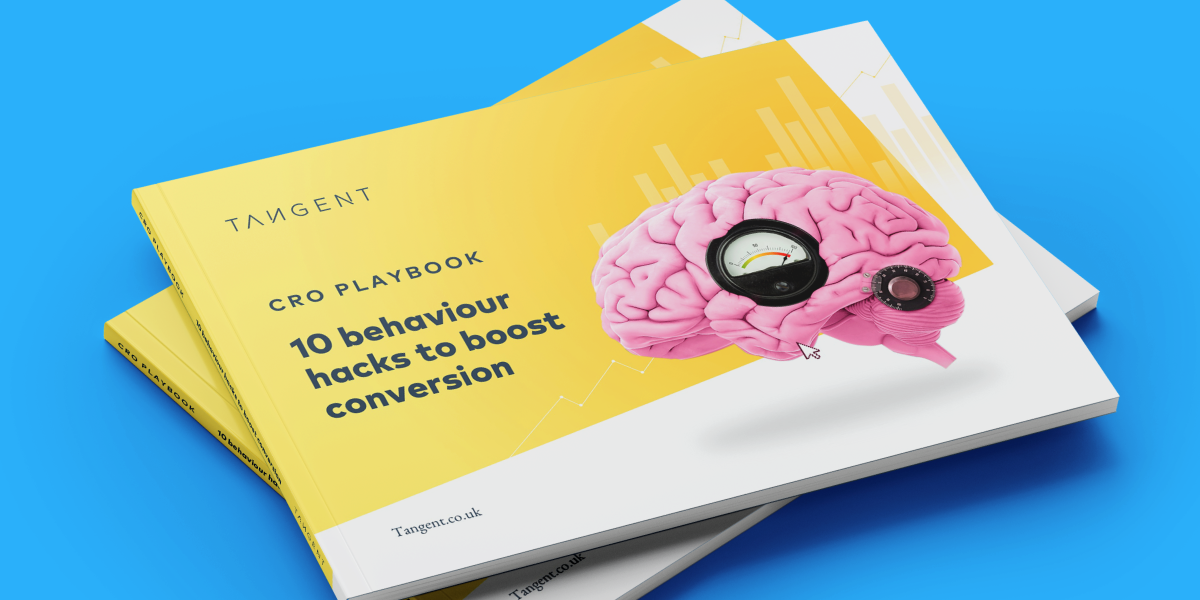
Your play-by-play guide on how to leverage our behavioural biases to boost your conversions.
9 June 2021 · Content, Creative & Campaigns
8 June 2021 · People, Teams and Skills

Kavita Singh spoke with David Raab, founder of the CDP Institute, about what a customer data platform (CDP) is and what the benefits are for utilising this system in your organisation.
8 June 2021 · Data and Insights
7 June 2021 · Data and Insights
7 June 2021 · Customer Experience
7 June 2021 · Strategy and Evolution
7 June 2021 · Customer Experience
7 June 2021 · Data and Insights
7 June 2021 · Customer Experience

7 June 2021 · Data and Insights
7 June 2021
7 June 2021 · ABM & Demand Generation
7 June 2021 · ABM & Demand Generation
7 June 2021 · ABM & Demand Generation
7 June 2021 · ABM & Demand Generation

Last week, we hosted B2B Marketing Ignite USA 2021 virtually on Hopin, where we shared insights around growth, brand, content strategy, marketing operations, DEI initiatives and much more. Kavita Singh breaks down some of the highlights of our conference.
7 June 2021 · Content, Creative & Campaigns
7 June 2021 · Customer Experience
7 June 2021 · Data and Insights
7 June 2021 · Data and Insights

While the rest of the world has been shaken by a global pandemic, PR and marketing professionals found themselves front and centre of the global businesses stage as businesses sought to become more agile and take advantage of opportunities. Their seat at the table of core business decision ‘Chiefs’ is becoming more essential than ever, argues Jamie Kightley, Head of Client Services, IBA International. He explains that by making use of advanced data analytics and some tools of the trade, PR and Marketing pros alike will keep that seat at the C-suite table firmly grounded. It’s been a ground changing couple of years for the C-suite. Are they more dependent on the strategic guidance from PR and marketing professionals than ever before? Has PR’s value extended beyond just informing the sales pipeline? Well 85% of PR pros report that the C-suite is relying on them for strategic counsel. Good Covid-Comms was essential during the pandemic and fell into the lap of marketing and PR professionals alike. The manner in which businesses responded will have a lasting legacy on how that organization is perceived – research from IAB UK and YouGov shows that 80% of UK respondents are less likely to purchase from a company that had been insensitive during the crisis, with another 35% of respondents stating that they now pay more attention as to how companies behave. And it is has been the job of communications teams alike to keep organization’s reputations intact throughout this crisis. The customer is king and CX needed a COVID makeover But its not just PR and comms pros that are experiencing the surge in demand, CIOs also have a newfound ‘weight on their shoulders’ through an overnight growth in responsibilities and required agility in the US well over 90% of CIOs are now working closely with their CMO to improve the customer experience (CX) and promote innovation. PR and marcomms prove their flexibility – virtual events are sticking around PR stands for Public Relations – and that means many different publics, from employees, to investors, to customers, to prospects, to the media, to analysts. PR showed itself to be among the most agile of sectors when initially adapting to new ways of working. Marketing communications were used to help and inform internal staff, keep morale high and ensure everyone knew the company was coping with the challenges, whether through furloughs or shorter weeks. But PR and marketing also stepped up to the customer plate to create digital events such as product launches, thought leadership summits or topical webinar series. The digital trend has proved particularly popular, and 71% of marketers believe virtual events are here to stay, throughout 2021 and beyond. And let’s not forget the media’s role in all this - all essential audiences to communicate ‘business as usual’ during difficult times, bring together customers, prospects and new solutions and achieve essential third-party endorsement in target media. Over three quarters of B2B buyers and their sales counterparts say that they prefer the new, Covid-induced digital reality, not only for safety reasons but for ease, speed and convenience. Organizations have had to juggle service disruption and brand reputation and relevancy, alongside workforce welfare, so finding effective digital communication methods and new-found ways of networking have become essential when choosing to engage with people – whether that be customers, clients, staff or journalists.
4 June 2021 · ABM & Demand Generation

Kavita Singh spoke with Ken Ewell, chief customer officer of SurveyMonkey, about why CX needs friction, why customer insight needs to be prioritised, and how agile is being used at SurveyMonkey. KS: We always see the phrase ‘seamless customer experience’ being thrown around. I’ve used it myself! But why do you think there does need to be some sort of friction? KE: Not all friction is bad friction. When you meet someone, you could move faster by not asking their name – or trying to remember it if you do – but we know that information creates a better experience down the line. So, our task is to make sure any friction adds value for the customer. Immediately if possible, but without exception over time. Customers correctly expect an effortless transition from one touchpoint to another when engaging with brands, and brands should be prepared to deliver that across digital channels, in-person, or both. So creating the optimal experience is about knowing that friction and friction-free touchpoints both have their uses and in mixing them to create a value added journey. Introducing checkpoints to confirm identity in a banking transaction is not seamless, but is really good compared to the alternative. It’s even better when customers know and understand the improvements in security that have been put into place over the prior six months. Recognising and acting upon the negative emotions felt during a customer journey can only strengthen a company’s offering to their audiences. This idea of ‘positive friction’ can create a more personalised experience for each customer, which is becoming ever more important in this digital age. KS: How can marketers add friction while still providing great customer experience? Any tips on navigating this? KE: Creating intuitive and engaging feedback processes provides brands with the insight needed to craft marketing campaigns that better resonate with intended audiences. Marketing campaigns cost money and take time to get right. Doing so without the best knowledge possible about what your audience actually wants and values is a risk not worth taking. This type of friction, I would argue, is necessary to creating a smooth, interruption-free customer experience. Brands can see themselves from a customer point of view, can make the customer feel valued and, in turn, create a more personalised experience. KS: A need for customer insight seems to be a must have now, especially with the digitalisation of most companies. Why is now NOT the time to stop prioritising, obtaining, and acting on customer insight? KE: Customers matter most – full stop. Their insight should always be prioritised. Customer insights allow brands to gain a deeper understanding of how people think and feel about their services, which helps strengthen a brand’s offering. By building a robust customer experience strategy, businesses are able to deeper understand the needs of the customer and exactly why they have these needs. This is especially true now, where we are in the unique position of being on the precipice of emerging from a pandemic. It is impossible for businesses to predict what the future will look like, so getting customer insight on a regular basis will help marketers and other professionals understand what their audiences want. Digitalisation is here to stay and this insight is key for all businesses to make sure that they are meeting – and exceeding – customer expectations. Those that choose to stop prioritising acting upon and obtaining this data will not only struggle to adapt and to evolve, but will begin to lose touch with their consumers.
4 June 2021 · Customer Experience

Another year, another celebration of the best US B2B marketing agencies, talent and campaigns. Yes, the 2021 Elevation Award winners have just been announced at B2B Marketing Ignite USA 2021 (our virtual conference). So, who won big this year?
2 June 2021 · Content, Creative & Campaigns